Information About Hearing First Oxford
This Guide Last Updated - 14th Oct 2026 at 1:11am

Waxfree Guarantee™: The only ear wax removal clinic in Oxford offering the Waxfree Guarantee™.
We’re the only specialist microsuction ear wax removal clinic in Oxford providing Microsuction Earwax Removal and Manual Instrument Earwax Removal by our expert Audiologists. All of our earwax removal practitioners are hand-picked by our founder, Jason Levy. We really are the ear wax removal experts in Oxford.
Our convenient location in Botley, Oxford, also serves clients in Jericho, Summertown, Wolvercote, Marston, Godstow, Park Town, Wytham, Yarnton, Worton, Elsfield, Beckley, Islip, Hampton Poyle, Kidlington, Eynsham, Stanton Harcourt, Hardwick, Northmoor, Kingston Bagpuize, Gozzard’s Ford, Abingdon, Radley, Littlemore, Cowley, Headington, Thame, Wootton, Kirtlington, Freeland, Cassington, Witney, Ducklington, Aston, Woodstock, Weston-on-the-Green, Charlton-on-Otmore, Horton-cum-Studley, Forest Hill, Wheatley and Sandford-on-Thames.
What You Need to Know About Hearing First Oxford

Hearing First Oxford is a specialist ear care and audiology clinic for people who need practical help with blocked ears, hearing checks, and impartial hearing aid support. The clinic focuses on personalised appointments, so the first step is usually to understand your symptoms, your hearing concerns, and the best clinical route for your situation. In Oxford and the surrounding area, that can mean microsuction ear wax removal, manual instrument wax removal, or a hearing test with clear explanation of the results. The aim is to make the process straightforward, clinically sound, and easy to understand for patients of different ages.
The service is built around qualified Audiologists, which matters because ear anatomy is delicate and the right technique depends on the condition of the ear canal and the type of wax present. People often look for rapid relief from blocked hearing, but they also want reassurance that the appointment will be handled carefully. Hearing First Oxford presents itself as an independent clinic, which is relevant for anyone seeking unbiased hearing aid advice rather than a sales-led consultation. That combination of specialist ear wax removal and hearing support makes the clinic a useful local option for patients who want expert care in one place.
Ear Wax Removal Choices for Adults and Young People

Ear wax removal at Hearing First Oxford is centred on two recognised clinical approaches, microsuction and manual instrument removal. Microsuction uses a gentle suction device to remove excess wax under direct view, while manual instrument removal relies on specialist tools and clinical judgement. The right method depends on the shape of the ear canal, the texture of the wax, and whether the ear is suitable for treatment on the day. This is one reason many people prefer an Audiologist-led clinic, because the decision can be adapted to the patient rather than forcing everyone into the same procedure.
The clinic also provides microsuction for under 18s aged 12 to 17 when they are accompanied by a parent or guardian. That is an important safeguard for younger patients, especially when care needs to be both professional and reassuring. If you are booking for a child or teenager, it helps to mention age, symptoms, and any relevant medical history in advance. Patients often want a quick solution, but a proper assessment is the safest way to decide whether wax removal is appropriate and which technique should be used.
When a Specialist Assessment Becomes Important
Some ears are more sensitive than others, and certain symptoms can point to a problem that needs extra caution. If there is ear pain, discharge, a history of perforation, or sudden changes in hearing, the clinician may need to take a more careful approach before any wax removal is attempted. A proper assessment can reduce avoidable discomfort and helps the Audiologist decide whether microsuction, manual removal, or another course of action is most suitable.
Safer, More Comfortable Ear Wax Care with a Local Audiologist
Your ears and hearing are delicate and their care should be in expert hands. Some providers delegate ear wax removal to lay people, viewing it as a routine procedure. However, we believe it requires the skill and expertise of a trained Audiologist.
we, At our clinic, only qualified Audiologists perform ear wax removal, effective procedure tailored to your needs. Your hearing is too important to leave to chance, and ensuring that your ears are cared for by a specialist with in-depth knowledge of ear anatomy and physiology. This minimises the risk of injury and ensures a safe are committed to providing the highest standard of care.
Audibly Guided Ear Wax Removal in Oxford
Ear wax removal involves delicate parts of the ear, so Hearing First Oxford emphasises the value of having this care carried out by a qualified Audiologist. The clinic presents its approach as tailored to the individual, drawing on professional knowledge of ear anatomy and physiology rather than treating wax blockage as a routine, one-size-fits-all task.
Microsuction ear wax removal may be an option for people who want specialist attention for a blocked ear. The page says that only qualified Audiologists perform wax removal at this clinic, reflecting its stated commitment to safe, comfortable care. If you have pain, discharge, sudden hearing changes or other worrying symptoms, seek appropriate clinical advice and explain these concerns before arranging treatment.
For added reassurance, ask what the appointment will involve, whether microsuction or manual instrument removal may be suitable, and what you should do before you attend. Clear questions can help you feel informed and confident about your ear care.
Choosing an Audiologist-led appointment can provide a more considered conversation about your ears and hearing. Hearing First Oxford invites people who need ear wax removal to book an appointment, while encouraging a specialist assessment that is responsive to their particular needs.
Hearing Tests Explained in Clear, Practical Terms
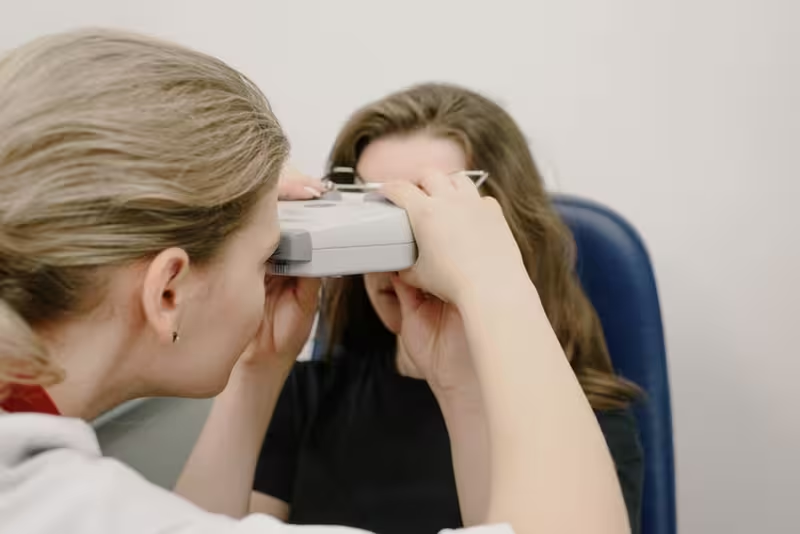
Hearing First Oxford offers hearing tests for people who want a better understanding of what they can and cannot hear in everyday life. A hearing test is not just about numbers on a chart, it should also be about context. The Audiologist can explain the meaning of the results, what the findings may indicate, and whether further action is worth considering. For many patients, this is the most helpful part of the appointment, because hearing loss can affect conversations, phone calls, television listening, and confidence in social settings.
The clinic says it is not part-owned by a hearing aid manufacturer, which is significant if you want an independent opinion. Some people feel uneasy about being pushed towards devices they do not need, so an impartial clinic can be reassuring. If a hearing aid is appropriate, the discussion can focus on lifestyle, comfort, hearing goals, and the settings that matter to you. If it is not the right time for hearing aids, you should still come away with a clearer view of your hearing health and what to do next.
What a Helpful Hearing Assessment Should Cover
- Discussion of symptoms such as muffled hearing, tinnitus, or difficulty following speech in background noise.
- A clear explanation of your test results, with enough detail to understand the practical impact on daily listening.
- Advice on whether wax removal might improve the results before any hearing aid decision is made.
- A balanced view of whether hearing aids, monitoring, or another follow-up step is most appropriate.
- Consideration of your lifestyle, including work, family life, and places where listening is most demanding.
Step-Free Access

Published Accessibility Features
- Wheelchair-accessible entrance
Accessibility details are provided by Google Maps. Contact the location to confirm individual requirements.
This clinic is located on the ground floor.
Independent Hearing Aid Advice and Aftercare in Oxford
Research Catalogue Results for Ear Wax Removal
- The auricular cough reflex: lateralization, prevalence, procedural determinants, and the role of examiner handedness. - van de Loo J, Mayer M, Sharaf K, Eckel H, Jansen L, Klussmann JP, Luers JC., 2026.
- High-definition otoscopic device for humanitarian mission: how i do it. - Lechien JR, Maniaci A, Kipsang MJ, Kibor M, Vaira LA., 2025.
- Use of Castor Oil in Dermatology: A Narrative Review. - Girdler K, Cabatu A, Olds H, Potts GA., 2026.
Source: Europe PMC. These are bibliographic matches, not personalised medical advice or an endorsement of a treatment.
For people thinking about hearing aids, Hearing First Oxford positions itself as an independent source of advice rather than a manufacturer-owned sales outlet. That matters because the best hearing aid is not always the most visible or the most expensive, it is the one that suits your hearing profile, communication needs, and day-to-day routine. The clinic states that it supplies and fits modern digital hearing aids, including invisible, rechargeable, Bluetooth, and iPhone-compatible models, which gives patients a broad range of practical choices.
Good hearing aid care does not end at the fitting stage. Aftercare is important because the ears, settings, and expectations may change once the devices are used in real life. A well-managed follow-up process can help with fine-tuning, comfort, cleaning, and advice on getting the best from your hearing aids in different listening environments. That may include family gatherings, work meetings, restaurants, or quieter home settings. If you have used hearing aids before, it is still worth discussing what has or has not worked in the past, because those details can shape a better recommendation.
Useful Topics to Raise at Your Appointment
Before choosing a device, it helps to discuss battery life, rechargeability, connectivity, discreet design, and how much manual handling feels manageable for you. The more clearly you explain your priorities, the more likely it is that the recommendation will match your hearing goals and your lifestyle.
Our Services Include:
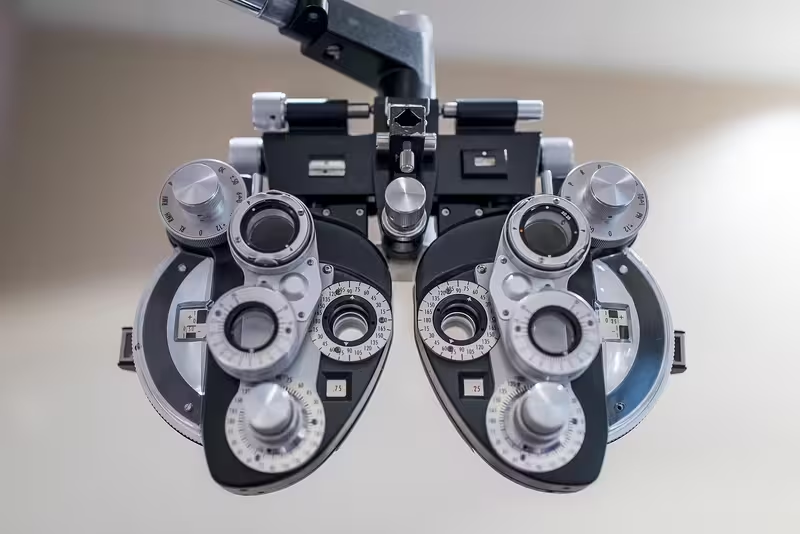
- Manual Instrument Ear Wax Removal
- Microsuction Ear Wax Removal
- Hearing Tests: We can test your hearing and explain the meaning of your test results – We are not part-owned by a hearing aid manufacturer, so unlike some High Street chains, we won’t offer you a “free” hearing test and then push you to buy hearing aids.
- Under 18 Microsuction Ear Wax Removal: We provide microsuction ear wax removal for age 12-17 when accompanied by a parent or guardian.
- Impartial Hearing Aid Advice, Fitting and Aftercare: If you want friendly, impartial advice, we are an independent company that is not part-owned by a hearing aid manufacturer, so we can advise you on which model will be the most appropriate, given your unique lifestyle requirements. We supply and fit all the latest digital invisible, rechargeable, bluetooth and iPhone-compatible hearing aids.
Hearing First Oxford: Ear Wax Removal and Hearing Aids
Located within Raleigh Park Clinic,
URL: https://www.hearingfirst.co.uk/book-ear-wax-removal-near-me/book-microsuction-ear-wax-removal-oxford/
View Hearing First Oxford - Ear Wax Removal and Hearing Aids on Google Maps.
Professional ear wax removal Oxford Audiologists. Conveniently located just off the A34 in the North Hinksey area of Botley, with free on-site parking. We are the only ear wax removal clinic in Oxford that offers The Hearing First Waxfree Guarantee™ , so if you have a blocked ear, book an appointment at our ear wax removal Oxford clinic. We really are the ear wax removal experts in Oxford!
Oxford Audiology Services: Ear Wax Care and Hearing Support
Hearing First Oxford brings together specialist ear wax removal and hearing support in one local clinic. Appointments focus on the service that suits your needs, whether you are seeking help for a blocked ear, want to understand your hearing more clearly, or are considering hearing aid options. The clinic states that its earwax practitioners are selected by founder Jason Levy, with care delivered by expert Audiologists.
- Microsuction ear wax removal and manual instrument ear wax removal are available for appropriate cases.
- Microsuction is offered for young people aged 12 to 17 when they attend with a parent or guardian.
- Hearing tests can help you understand your results in straightforward terms.
For people exploring hearing aids, the page describes independent advice, fitting and aftercare rather than manufacturer-owned recommendations. It also refers to current digital options, including discreet, rechargeable, Bluetooth and iPhone-compatible hearing aids. Discuss your listening needs, daily routine and preferences with an Audiologist so that any recommendation can be considered in the context of your lifestyle.
- Choose the type of appointment you need, such as wax removal, a hearing test or hearing aid advice.
- Share relevant symptoms and practical concerns when booking or attending.
- Ask the clinic to explain the next suitable step for your ears and hearing.
Why Audiologist-Led Ear Care Can Feel Safer and More Reassuring

Ear wax removal may sound simple, but the ear canal is a sensitive structure and a cautious approach makes a real difference. Hearing First Oxford emphasises that only qualified Audiologists carry out ear wax removal at the clinic, which suggests a strong focus on clinical judgement as well as technique. That matters because the same wax blockage does not affect every patient in the same way. Some people need treatment because hearing has become muffled, while others may be bothered by fullness, itching, or a sensation of pressure.
An Audiologist-led appointment also gives you a chance to ask sensible questions before treatment begins. You can discuss whether your ear looks suitable for microsuction, whether manual instrument removal might be better, and whether any of your symptoms suggest the need for a different kind of care. Patients often appreciate this more measured style of consultation because it avoids rushing into a procedure without proper explanation. If you are anxious about ear treatment, being able to speak to a trained professional can make the experience feel calmer and more controlled.
What Makes a Careful Appointment Process Worthwhile
Clear communication, clinical assessment, and a gentle technique are all important when dealing with wax blockage. When a practitioner explains the procedure and checks suitability first, patients are usually better prepared and more confident.
Before You Book, Consider These Practical Questions
It is sensible to mention any previous ear surgery, ear infections, or pain, because those details may affect the safest treatment choice. A clinic that listens carefully before acting is more likely to give advice that fits your actual needs, not just the most common case.
Micro-Guideline: Tell the Clinician About Any Change in Symptoms
A new discharge, a sudden drop in hearing, or a one-sided ringing sound should always be mentioned early. These details help the Audiologist decide whether wax removal is suitable on the day or whether another form of assessment is needed first.
Small Detail, Big Difference
Even a short explanation of when the symptoms started can help. Time, severity, and whether the problem changes after swallowing or yawning can all give useful clues.
Driving Directions to Hearing First Oxford
- Kennington Pharmacy (Ear Wax Removal Clinic, Travel Clinic & Weight Loss Clinic, in Oxford) to Hearing First Oxford: approximately 3.1 miles and 7 minutes by car. The route typically begins: Head north-west on Kennington Rd towards Edward Rd Go through 1 roundabout; then Turn right; then Merge onto Southern By-Pass Rd/A423. Open this route in Google Maps.
- Modern Art Oxford to Hearing First Oxford: approximately 4.3 miles and 13 minutes by car. The route typically begins: Head east on Pembroke St towards Pembroke Square; then Turn right onto St Aldate's/A420; then Continue onto Abingdon Rd/Folly Brg/A4144 Continue to follow Abingdon Rd/A4144. Open this route in Google Maps.
Distances, indicative journey times and route links are provided by Google Maps. Check live conditions before travelling.
Getting to the Clinic
From the A34 Southern By-Pass Road Northbound exit at Westminster Way, follow the road round to the right and then take a left onto Raleigh Park Road. At the top of the road, you will see red-brick posts with bobbles on top on either side of the road for Raleigh Park, continue a little way and then turn right onto a narrow road leading to Raleigh Park Clinic. The customer car park is a gravel area on the right just before the clinic.
From Botley, starting at the Premier Inn Oxford Botley hotel, head south on Westminster Way for about half a mile. Turn right onto Raleigh Park Road. At the top of the road, you will see red-brick posts with bobbles on top on either side of the road for Raleigh Park, continue a little way and then turn right onto a narrow road leading to Raleigh Park Clinic. The customer car park is a gravel area on the right just before the clinic.
Why Location Matters for Oxford Patients

Hearing First Oxford describes itself as being conveniently located just off the A34 in the North Hinksey area of Botley, with free on-site parking. For many people, location is more than a detail, it shapes whether they book promptly or delay treatment. A local ear clinic that is easy to reach can be especially helpful if you are already uncomfortable with blocked ears or struggling to hear clearly. Less travel stress can make the whole appointment feel more manageable, particularly if you are attending for the first time.
Practical access is often part of the overall patient experience. People looking for ear wax removal or a hearing test usually want a straightforward visit with minimal hassle, and parking nearby can make a real difference. If you are comparing audiology clinics in Oxford, it is worth considering not only the service itself but also how easy it is to get there, where to park, and whether the setting feels suitable for a calm appointment. A local clinic that combines specialist care with convenient access can be a sensible option for routine hearing support.
Why Convenience Matters for Repeat Appointments
Hearing care is sometimes a one-off visit, but it can also involve follow-up, aftercare, or repeat assessments. When travel is simple and parking is available, patients are more likely to return for the checks that support long-term ear health and hearing support.
Disabled Parking

Parking Options Listed for This Location
- Free car park
- Paid car park
- Free street parking
- Paid street parking
Car Parks Near Hearing First Oxford
- YourParkingSpace, approximately 0.6 miles from Hearing First Oxford. View on Google Maps.
- Hozah Parking - Seacourt Park & Ride, approximately 0.7 miles from Hearing First Oxford. View on Google Maps.
- Oxford Rail Main Parking, approximately 1.1 miles from Hearing First Oxford. View on Google Maps.
Parking information and place links are provided by Google Maps. Check restrictions and charges locally.
There is one disabled bay directly outside the clinic.
What to Expect from a Hearing and Wax Appointment

A good ear care appointment should begin with a short conversation about symptoms, medical history, and what you hope to achieve. At Hearing First Oxford, the emphasis is on tailoring the service to the patient, which means the consultation should help the Audiologist decide whether wax removal, a hearing test, or hearing aid advice is the right starting point. This approach is useful because many ear and hearing issues overlap. A blocked ear may affect test results, and untreated wax can make hearing aids less effective or less comfortable.
Once the clinician has assessed the situation, the next step may be explained in plain language. That could include why a certain removal method is suitable, what the hearing test results mean, or whether another appointment is better than immediate treatment. People often value this kind of guidance because it turns a vague concern into a clear plan. If your main concern is relief from muffled hearing, or if you are thinking about long-term hearing support, an appointment can help you make a more informed decision without pressure.
- Describe the symptoms clearly, including when they started and whether they affect one or both ears.
- Tell the Audiologist about any pain, discharge, infection history, or prior procedures on the ear.
- Ask which treatment, if any, is most suitable after the examination.
- Request plain-English explanation of results, options, and any follow-up steps.
- Make a note of aftercare advice so you know what to do once you leave the clinic.
Find Out More
For more information on our Oxford ear wax removal clinic, read more here.
Hearing First Oxford – Microsuction Ear Wax Removal Ox2 Map
When Microsuction May Be Preferred to Syringing

Many patients now look for microsuction rather than ear syringing because it is widely viewed as a more controlled form of wax removal. Hearing First Oxford highlights microsuction as one of its core services, which fits the wider move towards specialist ear care carried out under direct visual guidance. Unlike older methods that rely on flushing the ear, microsuction allows the clinician to see what is happening throughout the procedure. For some patients, that feels cleaner, quicker, and more reassuring.
Choice still depends on the individual ear, not just on preference. Some ears are best treated with manual tools, while others are suitable for suction. The Audiologist may also decide that wax removal should not go ahead if the ear looks inflamed or if another issue needs attention first. Patients often search online because they want relief from a blocked ear without a long wait, but the safest outcome is usually the one that starts with proper assessment rather than a rushed procedure. If you are unsure, ask the clinic which method they would consider for your particular case and why.
Questions Worth Asking Before Treatment
It is sensible to ask how the procedure works, how long it may take, and what sensations you might notice during treatment. Clear answers help you prepare, especially if you have had a bad experience elsewhere or are nervous about anything happening close to the ear drum.
Parking on Site

There is ample on-site parking for patients at the clinic.
How Hearing First Oxford Supports Independent Decision-Making
One of the strongest reasons people choose an independent audiology clinic is the chance to make decisions without sales pressure. Hearing First Oxford presents itself as not being part-owned by a hearing aid manufacturer, which means advice can be centred on your needs rather than a narrow product range. That can be especially helpful if you are comparing device styles, or if you simply want a professional view on whether you need hearing aids at all. The best outcome is not always immediate purchase, it is a recommendation that matches your hearing, comfort, and confidence.
Independent support is useful at several stages. You may need a hearing test, explanation of your results, advice on the role of ear wax, and then a discussion about possible hearing aid options. Because those steps are connected, a clinic that can handle them in one place saves time and reduces confusion. It also helps when a clinician can explain the trade-offs between invisible devices, rechargeable models, and Bluetooth connectivity in clear, practical language. That way you can judge what matters most to you, whether that is discretion, convenience, or ease of use.
Signs of a Balanced Recommendation
- The clinician explains more than one suitable option and does not steer you towards a single product too quickly.
- The recommendation takes account of your lifestyle, not only the hearing test results.
- Potential limitations are discussed honestly, including comfort, handling, and maintenance.
- Wax removal is considered if blocked ears could affect the usefulness of a hearing test or hearing aid.
- Aftercare and follow-up are presented as part of the service, not as an afterthought.
How Much Does Ear Wax Removal in Oxford Cost?
Published Payment Methods
- Credit cards
- Debit cards
- Contactless or NFC payments
Payment information may change. Confirm prices, insurance eligibility and accepted methods directly with the provider. Place attributes are provided by Google Maps.
at peak or off-peak times, how far in advance the booking, and Ear wax removal in Oxford starts at £34. Pricing can vary if it is one or two ears is made.
Useful Practical Points Before You Visit the Clinic

Before attending Hearing First Oxford, it helps to think about what is bothering you most. Some people notice fullness in the ear, others struggle with conversation in noise, and some are simply looking for a reliable ear wax removal service in Oxford. Writing down your symptoms can make the appointment more efficient, because it gives the Audiologist a clearer picture of what is happening. If you have had similar problems before, mention whether treatment helped and how long the relief lasted.
It is also helpful to bring any relevant details about medication, previous ear conditions, or hearing aid use. These facts can influence the safest and most effective approach. If you are attending for a hearing test, try to mention the environments where hearing feels hardest, such as meetings, television, or busy cafes. That extra context helps turn an ordinary test into useful clinical advice. For children and teenagers, parent or guardian involvement is important, especially if microsuction is being considered. A little preparation can make the appointment smoother and more productive.
Simple Preparation Tips for a Smoother Visit
Keep your notes brief but specific, and focus on symptoms, timings, and any concerns that would help the clinician understand your situation. Clear information at the start often leads to clearer advice at the end.
Microsuction Versus Ear Syringing

perforation of the ear drum, further impaction of the ear wax, hearing loss, but also because ear syringing is inherently less safe than ear micro suction. Possible side effects of ear syringing or irrigation are ear infection, Many people in Oxford are finding that their local GP surgery no longer offers ear syringing. No doubt this is partly due to a lack of funding, and tinnitus(i.e. the ear wax gets pushed even harder against the ear drum). Is it any wonder that people are going off walk in ear syringing in Oxford and are seeking out microsuction ear wax removal instead? Unfortunately, the sharp rise in demand has meant that NHS micro suction clinics are now unable to meet the need and waiting times are often over two to three months.
You no longer need to wait months for micro suction. Why not save time by going private? It’s not as expensive as you think. Simply book your appointment here and you could be saying goodbye to your wax blockage this week!
23 Interesting Facts About Oxford
- Ashmolean Museum: The Ashmolean Museum opened in 1683 and is widely regarded as the world's first university museum open to the public.
- Oxford Botanic Garden: Founded in 1621 as a physic garden for cultivating medicinal plants, Oxford Botanic Garden is the oldest botanic garden in Britain.
- Oxford Castle: Oxford Castle was built soon after the Norman Conquest, and its surviving St George's Tower is among the city's oldest structures.
- Carfax Tower: Carfax Tower is the surviving tower of the 12th-century St Martin's Church and provides a view over central Oxford from its 99 steps.
- Covered Market: Oxford's Covered Market opened in 1774 after the city authorities sought to move market trading from the surrounding streets into a purpose-built space.
- Oxford Canal: The Oxford Canal was completed in 1790, creating a water route between Oxford and Coventry and helping supply the city with coal.
- Oldest University in the English-Speaking World
The University of Oxford was established in the 12th century and is the oldest university in the English-speaking world. - The Bridge of Sighs Curse
Students believe that walking under Hertford Bridge before exams brings bad luck — many cross the street to avoid it. - Ear Wax Removal In Oxford
Ear wax removal is available from the experts at Hearing First Oxford on Tuesdays at Raleigh Park Clinic in North Hinksey, Botley OX2 – easily accessible from the A34 Northbound or Premier Inn Oxford Botley with plenty of free onsite parking. Click here to book now. - City of Spires
Oxford’s skyline is famously dotted with church towers and college spires, inspiring the nickname “The City of Dreaming Spires”. - Shark on the Roof
A life-size fibreglass shark crashes through the roof of a house in Headington — installed in 1986 as a protest against war and censorship. - Oxford University Press
OUP is the largest university press in the world and has been publishing scholarly works since 1586. - The Ghost of the Sheldonian
Staff at the Sheldonian Theatre report hearing footsteps and creaking floorboards late at night, attributed to a spectral former caretaker. - Punting on the Cherwell
One of Oxford’s most iconic leisure activities, punting involves propelling a flat-bottomed boat along the river using a pole. - The Gargoyle That Sticks Its Tongue Out
On New College Lane, one gargoyle is pulling a face and sticking its tongue out — allegedly aimed at a rival college. - The Bodleian Library
One of the oldest libraries in Europe, the Bodleian has over 13 million printed items and receives a copy of every book published in the UK. - The Underground Narnia Door
Near St Mary’s Passage, there’s a small wooden door said to have inspired the magical wardrobe in C.S. Lewis’s Narnia series. - Radcliffe Camera
This iconic circular library building is one of Oxford’s most photographed landmarks and part of the Bodleian Library system. - The Morse Effect
After years of the TV show Inspector Morse, tourists frequently visit Oxford pubs just to sit where the fictional detective drank. - Blackwell’s Bookshop
Founded in 1879, Blackwell’s is home to the Norrington Room — one of the largest rooms of books in the world, located underground. - Oxford’s Miniature Forest
A micro-forest has been planted in Florence Park using the Miyawaki method to boost biodiversity in urban areas. - The Divinity School Ceiling
The intricate fan-vaulted ceiling of the Divinity School took three years to carve and features over 400 bosses.
The Cat That Earned a Degree
In the 1920s, a cat named Simpkins
Why People Choose a Combined Ear Care and Hearing Service

Many patients prefer a clinic that can address ear wax, hearing tests, and hearing aid advice under one roof. Hearing First Oxford fits that model by offering a joined-up service for people who want both immediate relief and longer-term support. This can be especially useful when blocked ears are affecting hearing, because removing wax may improve day-to-day listening and may also clarify the results of a hearing assessment. It means the process can feel more coherent, with fewer gaps between symptoms, diagnosis, and treatment.
Combined care is also helpful for people who are unsure where to start. You may not know whether your problem is wax, hearing loss, or both, and a single appointment with a qualified Audiologist can help sort that out. That can reduce unnecessary appointments and make the next step easier to understand. If hearing aids become part of the conversation, an independent clinic can then talk through styles, fittings, and aftercare without rushing the decision. For many people, that blend of clinical expertise and practical advice is exactly what they need from a local audiology service.
How One Appointment Can Lead to a Clearer Plan
When ear care and hearing support are linked, the clinic can look at the whole picture, not just one symptom. That often leads to more accurate advice and a better patient experience.
Nearby Bus Stops and Public Transport

Nearest Bus Stops to Hearing First Oxford
- Raleigh Park Road, approximately 0.1 miles from Hearing First Oxford. View this bus stop on Google Maps. Walking directions from Raleigh Park Road to Hearing First Oxford.
- Laburnum Road Shops, approximately 0.2 miles from Hearing First Oxford. View this bus stop on Google Maps. Walking directions from Laburnum Road Shops to Hearing First Oxford.
- Lime Road, approximately 0.2 miles from Hearing First Oxford. View this bus stop on Google Maps. Walking directions from Lime Road to Hearing First Oxford.
- Yarnells Hill, approximately 0.2 miles from Hearing First Oxford. View this bus stop on Google Maps. Walking directions from Yarnells Hill to Hearing First Oxford.
- Harcourt Hill Campus, approximately 0.3 miles from Hearing First Oxford. View this bus stop on Google Maps. Walking directions from Harcourt Hill Campus to Hearing First Oxford.
- Cedar Road, approximately 0.3 miles from Hearing First Oxford. View this bus stop on Google Maps. Walking directions from Cedar Road to Hearing First Oxford.
Nearest Rail, Tube and Tram Stations to Hearing First Oxford
- Oxford, approximately 1.1 miles from Hearing First Oxford. View this station on Google Maps. Walking directions from Oxford to Hearing First Oxford.
- Oxford Parkway, approximately 4.1 miles from Hearing First Oxford. View this station on Google Maps. Walking directions from Oxford Parkway to Hearing First Oxford.
- Radley, approximately 4.6 miles from Hearing First Oxford. View this station on Google Maps. Walking directions from Radley to Hearing First Oxford.
Stops and stations are ordered by straight-line distance from the destination using Google Places coordinates. Place and walking-direction links are provided by Google Maps.